
Currently Empty: د.إ 0


Interior Decoration and Design Package
Reviews:
Training Program Description Training Course
This package is designed to prepare a professional interior designer who is well-versed in all the fundamentals of décor, interior design, and visualization through engineering software. The package is divided into
- First: Theoretical Section
- Theoretical Section Engineering Software Section
- Third: Third:
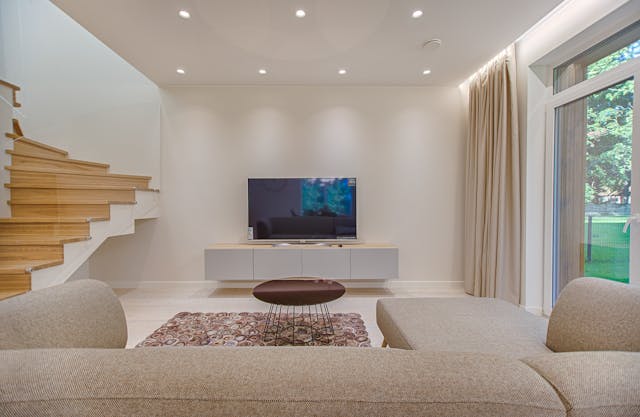
Fundamentals of Interior Decoration Design
1. Concept and Importance of Interior Design:
- Introduction and definition of the concept of interior design.
- Concept of décor.
- The difference between the concepts of interior design and décor.
2. Importance of Interior Design
3. Elements and Principles of Interior Design:
- Elements of Interior Design
- Principles of Interior Design
- Steps of Interior Design
4. Principles of Interior Design:
- Principles of Interior Design
- How to Apply the Principles of Interior Design
5. Arrangement of Key Elements:
- Concept of Residential and Commercial Plans
- How to Read Residential and Commercial Plans
- How to Draw Residential and Commercial Plans
- How to Arrange the Key Elements on Residential and Commercial Plans
6. Color Theories:
- Color Theories
- Methods for Choosing the Appropriate Color Scheme for Each Design
- How to Use the Color Wheel
7. Furniture Styles:
- Furniture Styles
- How to Choose Furniture
- How to Combine Different Furniture Styles
8. Flooring and Walls:
- Flooring and Wall Materials
- Methods to Distinguish Between Different Flooring and Wall Materials
- How to Classify Flooring and Wall Materials According to Quality and Preference
9. Mood Board:
- Concept of a Mood Board
- Importance of a Mood Board
- Applications of a Mood Board
- Skills Targeted by the First Training Unit:
- Practical workshop where participants learn how to use a mood board efficiently and effectively on a project
- Each group follows the training workshop method
Autodesk AutoCAD
Autodesk AutoCAD
- The Autodesk AutoCAD course is your introduction to drawing and preparing engineering plans for all fields. In this course, you will learn how to draw, modify, set dimensions, use blocks, and print drawings.
- First Stage: Program Interface
- Getting familiar with the application interface (the program's INTERFACE).
- Explanation of TOOLS COMMON ACCESS, including commands such as OPEN, SAVE, EXPORT, and DRAWING UTILITIES.
- Getting familiar with the STANDARD BAR, including commands such as NEW, OPEN, CUT, PASTE, and COPY.
- Explanation of SNAP OBJECT commands, including END POINT, MID POINT, CENTER, and QUADRANT; drawing lines using EXTENSION and PARALLEL; and how to use POINT TRACK TEMPORARY Activate.
- Learning how to use auxiliary tools such as SNAP and GRID settings.
AUTODESK 3D Max
Training Course:
- The 3ds Max and V-Ray Course is your entry into the field of 3D architectural design.
- Whether you are a university student or a graduate wanting to create a 3D model for your project, 3ds Max will help you build the model, whether it is interior or exterior.
- The V-Ray plugin will assist you in producing highly realistic perspective renderings.
- The 3ds Max and V-Ray course includes creating an interior project and an exterior project, and rendering both projects using V-Ray.
Course Study Stages:
First Stage (Architectural):
The first stage is the most important in the course, as it forms the foundation for all subsequent stages. In this stage, the program will be studied from an architectural perspective, based on the principle of knowledge transfer.- Introduction to Autodesk 3ds Max.
- Applications and projects on building architectural blocks.
- Introduction to building organic blocks.
- Applications on organic projects.
- How to build organic blocks.
- Applications on parametric projects.
- Building classic décor units.
- Decorative elements and fabrics.
- Second Stage (Interior Decoration and Design):
Studying interior decoration for an actual project with practical applications during the course. - The project will be either a classic bedroom or a living room.
Course Study Stages:
- Third Stage – Exterior Architectural Visualization:
Study of exterior architectural visualization for a villa, palace, or administrative building projects. - Fourth Stage – V-Ray Engine:
The most important stage for achieving realistic project renderings, which is the ultimate goal for anyone in this field. - Fifth Stage – Rendering Techniques:
Study of rendering techniques in a simple and detailed manner. - Sixth Stage – Image Production and Editing:
How to make color adjustments, provide multiple proposals for the client, and add various effects.
Photoshop
Training Program Description – Training Course
- This course is designed to provide comprehensive training in 3D architectural design using 3ds Max and V-Ray.
- It covers all stages from architectural modeling to interior decoration, exterior visualization, rendering techniques, and image editing.
- Participants will gain practical skills through real projects, including creating interior and exterior designs, applying decorative elements, and producing highly realistic renders using V-Ray.
Course Study Stages
- Displaying horizontal plans and the general site layout.
- Displaying vertical sections.
- Displaying perspectives.
- Converting daytime scenes to nighttime.
- Best methods for exporting files from AutoCAD: Before, After, Akmam, PS.
- Learning professional workflows and visualization techniques for all architectural elements.
- Adding all living elements (people, plants, trees, animals, birds).
- Learning how to use render elements in the visualization process.
- Using filters to achieve greater realism.
- Using brushes and gradients to add various effects.
- Working with external assets and integrating them into the scene.
- Lighting and color adjustments using the best and fastest methods.
Introduction
- Photoshop
- Introduction
- Program Interface
- Panels
- Text Settings (Characters)
- Opening Files and Creating a New File
- Navigation within the File
- Preferences Adjustments
- Importing Images
Selection Methods
- Selection Tools
- Marquee Tools
- Lasso Tools
- Quick Selection Tools
Layers
- Creating a New Layer
- Copying and Cutting in Layers
- Layer Arrangement
- Blending Modes
- Layer Styles
Enhancement and Retouching Tools
- Spot Healing Tool
- Healing Brush Tool
- Patch Tool
- Content-Aware Tool
- Clone Stamp Tool
- Applications on Healing and Retouching
Brushes
- Brushes and Their Uses
- Applications on Using Brushes
Adjustments
- Lighting Adjustments
- Color Adjustments
- Special Adjustments
- Pen Tool
Plans and Sections Visualization
- Exporting plans from AutoCAD
- Opening walls and selecting the plan
- Coloring spaces
- Defining patterns and models
- Stairs
- Section presentation
- Poster design
AutoCAD & Excel
Introduction to Quantity Surveying and Pricing
- Types of Quantity Surveying and Its Tools
- Preparing the Bill of Quantities (BOQ)
- Estimating the Total Cost of Projects
- Fundamentals of Pricing in the Interior Design Market
- Presenting Price Quotes to Clients Professionally
- Using Digital Software for Quantity Surveying and Pricing
- Factors Affecting Price Determination
- Common Mistakes in Quantity Surveying and Pricing and How to Avoid Them
- Case Study Analysis of Successful Interior Design Projects
Interior Finishing Course
Interior Finishing Course Overview:
- Learn the different stages of architectural finishing, their sequence on-site, common mistakes during handover from workers, and requirements to ensure high-quality finishing.
- Electrical Works Foundation Stage
Surface and Floor Waterproofing for Bathrooms and Kitchens
Gypsum Board Works, Types, and Various Ceiling Works
Wall Painting and Treatments
Masonry Works, Levels, and Opening Models (Doors and Windows)
Plastering, Wall Preparation, and Surface Treatment for Painting
Wall and Floor Installation: Ceramic and Porcelain
Plumbing and Sanitation Foundation Works
Final Installations: Electrical and Plumbing Works